What Does It Really Cost to Own a Motorcycle?
The purchase price is a one-time decision. Ownership costs come back every year, and they are easier to control when you know which ones follow your riding and which do not.
Last updated: October 12, 2026
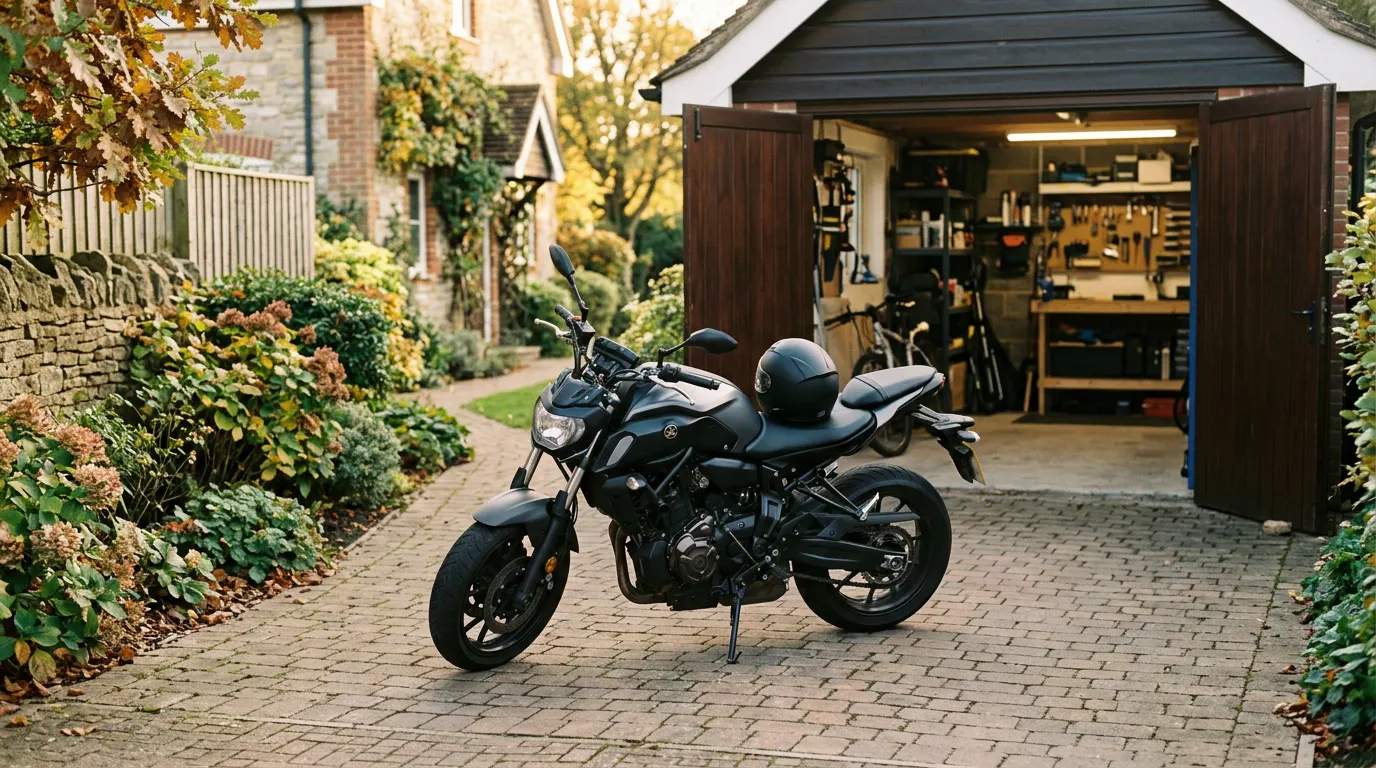
Three kinds of ownership cost
Mileage-driven costs rise with every mile: fuel first, and in real life also tire wear, chain and brake wear and service intervals. Fixed annual costs arrive whether you ride or not: insurance, depreciation and storage. Occasional costs come every few years or without warning: a major service, a battery, new gear or a repair.
In the calculator, fuel and the default tire allowance are treated as mileage-driven. Service is a fixed annual allowance, so if you ride much more than most owners, raise it yourself.
A worked example
With the calculator defaults for a Honda Rebel 500 (69 MPG) at 6,000 miles and $3.80 per gallon, fuel is about $330 and the annual total about $2,000 – roughly $167 a month. The remaining $1,670 is the fixed insurance, service and depreciation allowance plus the default tire allowance, which is calculated from your mileage ($240 at 6,000 miles).
At 10,000 miles, fuel rises to about $551, the default tire allowance to about $400 and the total to about $2,381. The annual total goes up by about 19%, but cost per mile falls from about $0.33 to $0.24, because insurance, service and depreciation are fixed annual allowances spread over more miles. In reality, service costs also tend to rise with the extra miles, so raise the service field yourself if you ride a lot.
Depreciation: an allowance, not a forecast
The calculator uses a fixed annual dollar amount for depreciation. A real depreciation estimate starts from what you pay and what you expect to sell for: (purchase price − expected resale value) ÷ years owned. For example, a hypothetical bike bought for $6,000 and sold for $4,500 after three years lost $500 a year.
Resale value depends on age, mileage, condition, service records, modifications, model demand and the season you sell in. To estimate it, compare asking prices for the same model, year and mileage in listings near you, and check a valuation guide for the specific bike. Depreciation is not a cash payment, but you feel it when you sell or trade in.
Financing and riding gear
If you finance the bike, the interest and fees are real ownership costs that the calculator does not include. Take the total finance charge from your loan offer and divide it by the years of the loan to get a yearly figure.
Riding gear – helmet, jacket, gloves, boots and rain gear – is a recurring cost of riding. Helmets should be replaced after a crash and according to the maker’s recommended service life; check your helmet maker’s guidance.
Costs outside the calculator total
State registration, title and plate fees, sales tax, inspections where required, parking, paid storage and tolls vary by state and situation. Find your state in the costs-by-state guide and add them separately.
Leave room for unexpected repairs. Keep a separate repair reserve rather than assuming every year looks like the calculator’s average – a used bike out of warranty usually needs a bigger reserve than a new one.
Build your own budget
Start with the calculator’s annual total for your bike, replace the insurance figure with a real quote, adjust service and tires for your mileage, then add registration, financing, gear and storage. If you are unsure, build a low and a high version; the gap shows which number is worth researching first.
Run your own numbers
Use the calculator to see what your specific motorcycle costs per year and per mile.
Open the calculator